
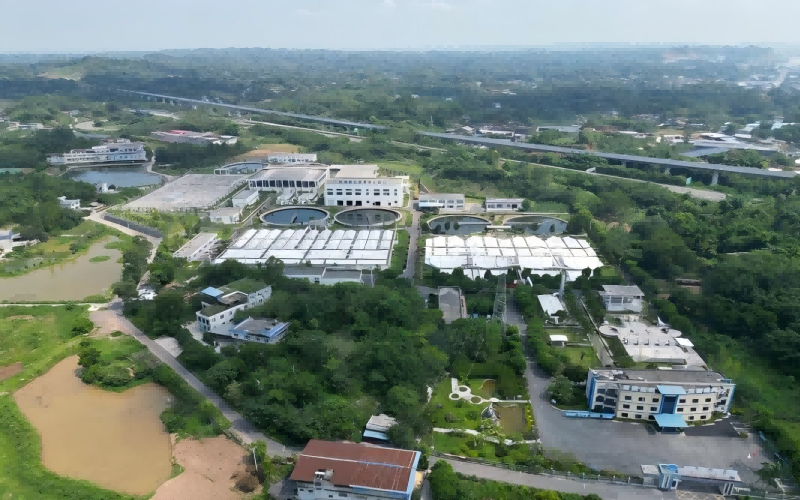
1.Proposal Overview:
The integrated smart water conservancy solution covers systems such as reservoir safety monitoring, irrigation district informatization, water resource withdrawal and consumption metering monitoring, smart control of well irrigation, hydrological monitoring of small and medium rivers, mountain flood disaster monitoring and early warning, groundwater monitoring, ecological flow monitoring and management, and soil moisture monitoring. It involves all aspects of fields such as flood and drought disaster prevention, economical, intensive and safe utilization of water resources, optimal allocation of water resources, and ecological protection and governance of rivers and lakes, helping to enhance the national water security guarantee capability.
Welletronics can provide one-stop solutions, supporting software and hardware products, and engineering technical services for various monitoring systems in smart water conservancy. The products responded to and passed the water conservancy industry testing at an early stage, have successfully connected to provincial platforms, and have been applied in many key engineering projects under national and provincial control.
2.System advantages:
●Complies with the communication protocols and hardware product technical requirements of the water conservancy industry standards.
●Applied to numerous national and provincial key projects, it has successfully integrated with platforms of various provinces.
●Offers one-stop solutions, software and hardware products, and engineering technical services.
3.System architecture:
The intelligent water conservancy system consists of three main components: intelligent sensing devices at the perception layer, remote terminal units (RTUs) at the data acquisition and transmission layer, and management software at the application layer. Leveraging communication networks such as 4G, 5G, NB-IoT, optical fiber, or Beidou satellites, the system enables the networking of information from various monitoring stations, facilitating dynamic monitoring of water conservancy-related factors, remote/automatic control of on-site equipment operation, early warning and forecasting of data exceeding standards or the occurrence of disasters. It also conducts statistical analysis of collected data to support intelligent management across different departments, helping administrative authorities comprehensively grasp information such as the geographical locations, construction details, monitoring data, operational statuses, compliance conditions, and alarm messages of monitoring stations. This drives the digital, networked, and intelligent development of the water conservancy sector.
.png)







.png)
.png)